


By Phil Vavra
You hear us say it every day: “WDAV is a service of Davidson College.” That means plenty of sports fans around here love it when the Davidson Wildcats play in the NCAA Division I Men’s Basketball Tournament.
It has been 18 years since Davidson made it to the Elite Eight with former Wildcat and current Golden State Warrior Stephen Curry bringing the ball up the court. While having the I-77 Exit 30 interchange named for him is certainly a nice honor, I’m sure Steph would be even more excited to see his alma mater make another tournament run like they did in 2008.
The annual assemblage of college basketball’s best and brightest got me thinking. What would a Final Four of composers look like? Instead of perennial powerhouses like North Carolina, Duke, Kansas, and UConn, we could have teams from each of the four major musical eras on our bracket. But who would be the starters? This has all the makings of a fun dinner debate.
What would be the criteria to determine such a thing? If we look at total output, Georg Philipp Telemann is a shoo-in for Team Baroque. He wrote more than 3,000 pieces of music, which is almost three times as many as Johann Sebastian Bach and five times as many as Mozart. Telemann is classical music’s Caitlin Clark, who scored more career points (3,951) than anyone in the history of college basketball.
Since music is not as stats driven as basketball, this is an exercise in subjectivity. There are so many great composers through so many centuries, and we all have our favorites. However, I believe each of my starters is deserving of a trip to the “Musical Final Four” based on their artistry and lasting influence, as well as their ability to put butts in seats. If there’s one thing composers and athletes have in common, it’s their desire to attract a big audience.
Every good basketball team needs a talented and reliable “Sixth Man” to come off the bench, so I’ve added one for each of my composer lineups below. You never know when one of them might pop a hamstring or, in their case, an E-string.
MUSICAL FINAL FOUR
🟥 TEAM BAROQUE (1600-1750)
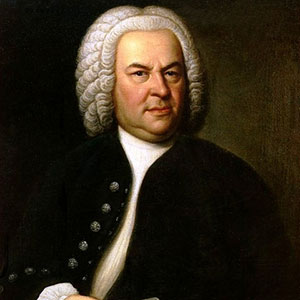
Johann Sebastian Bach – 5’11”
(Eisenach, Germany)

George Frideric Handel – 5’5”
(Halle, Germany)
Johann Pachelbel – 5’7”
(Nuremburg, Germany)
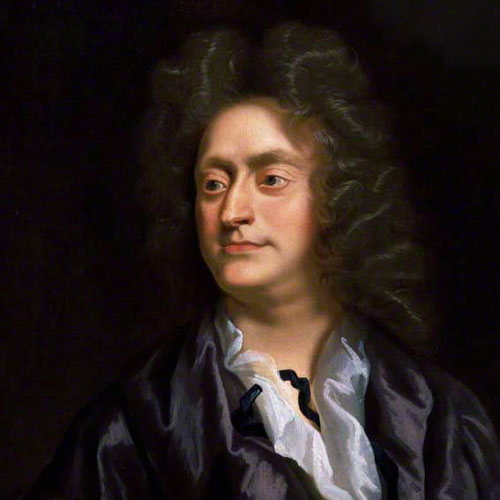
Henry Purcell – 5’6”
(London, England)
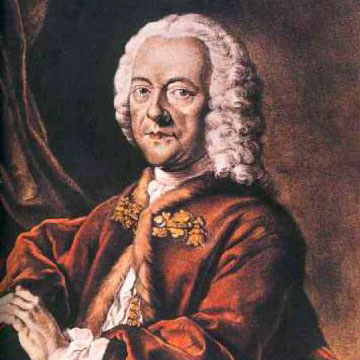
Georg Philipp Telemann – 5’9”
(Magdeburg, Germany)
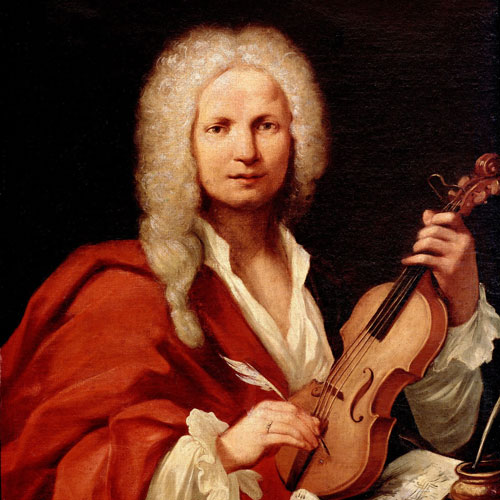
Antonio Vivaldi – 5’3”
(Venice, Italy)
🟪 TEAM CLASSICAL (1750-1820)

Ludwig van Beethoven – 5’2”
(Bonn, Germany)

Luigi Boccherini – 6’1”
(Lucca, Italy)
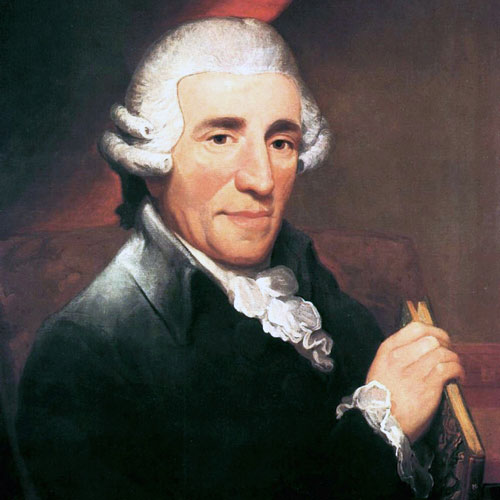
Joseph Haydn – 5’11”
(Rohrau, Austria)
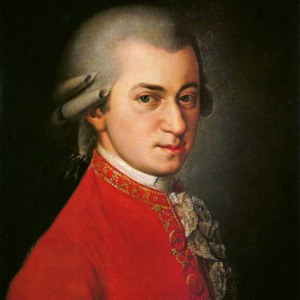
Wolfgang Amadeus Mozart – 5’4”
(Salzburg, Austria)

Gioacchino Rossini – 6’1”
(Pesaro, Italy)

Franz Schubert – 5’1”
(Vienna, Austria)
🟦 TEAM ROMANTIC (1820-1910)

Johannes Brahms – 5’4”
(Hamburg, Germany)
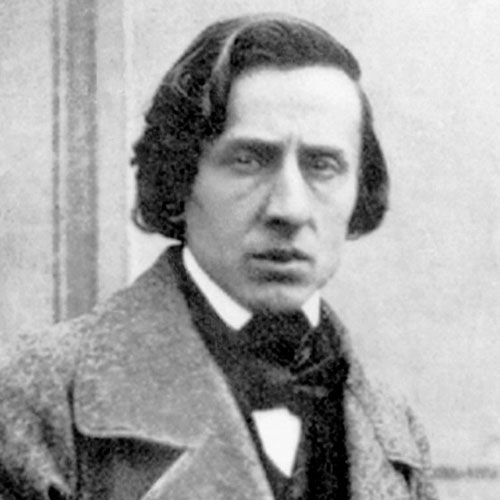
Frédéric Chopin – 5’7”
(Zelzowa Wola, Poland)

Franz Liszt – 6’1”
(Raiding, Austria)
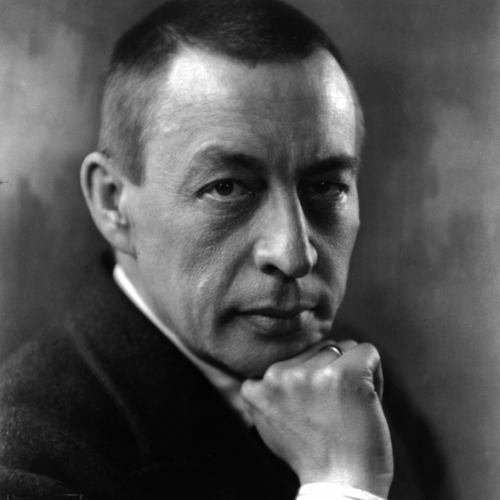
Sergei Rachmaninoff – 6’6”
(Semyonovo, Russia)

Pyotr Ilyich Tchaikovsky – 6’2”
(Votkinsk, Russia)

Franz Schubert – 5’1”
(Vienna, Austria)
🟨 TEAM MODERN (1910-Present)

Béla Bartók – 5’6”
(Nagyszentmiklós, Hungary)

Arnold Schoenberg – 5’4”
(Vienna, Austria)
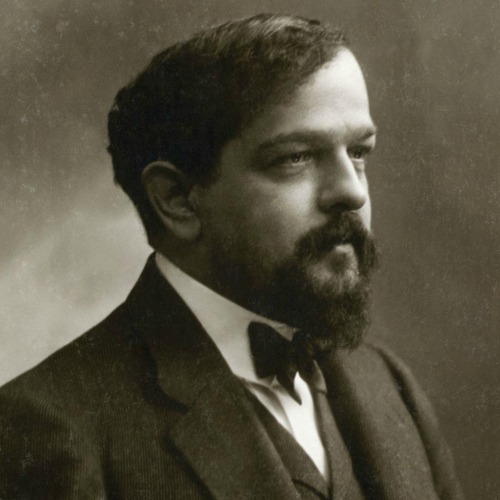
Claude Debussy – 5’9”
(Saint-Germain-en-Laye, France)
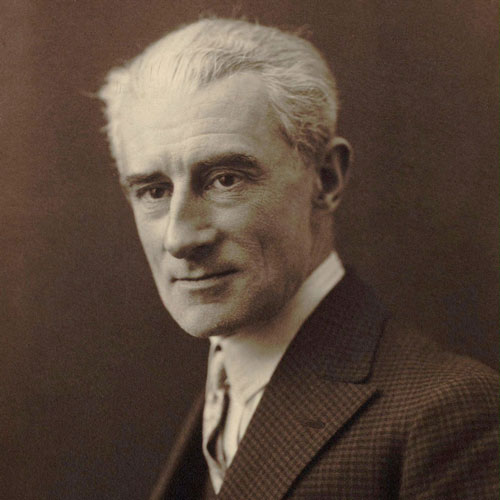
Maurice Ravel – 5’3”
(Cibourne, France)

Dmitri Shostakovich – 5’7”
(Saint Petersburg, Russia)

Igor Stravinsky – 5’3”
(Saint Petersburg, Russia)