

John Antes stands as one of the most fascinating and often overlooked figures in early American classical music. Born in 1740 in Bethlehem, Pennsylvania, Antes was active in the Moravian’s community there, renowned for its deep commitment to music as both a form of worship and cultural expression.
Antes showed early talent as a violinist and composer, but his life took an extraordinary turn when he was assigned a post in the Middle East as a Moravian missionary. While stationed in Egypt, he was captured, tortured, and imprisoned for a time—an ordeal that left him physically scarred but spiritually resilient. Despite these hardships, Antes continued to compose, producing chamber works that reflect both European Classical style and his unique personal journey. He is known to have shared some of his chamber music with Benjamin Franklin.
Antes’ most notable surviving chamber compositions are a set of string trios, among the earliest examples of chamber music written by an American-born composer. These works predate much of what we typically consider the beginnings of American classical composition. His music combines clarity, elegance, and a refined sense of balance, echoing contemporaries in Europe while maintaining a distinct voice shaped by Moravian musical traditions.
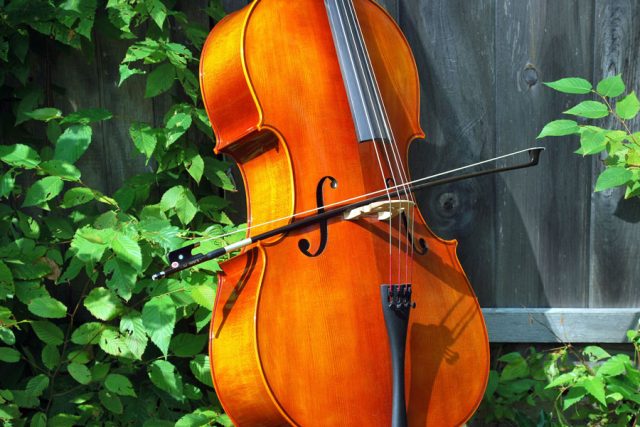
In addition to composing, Antes also was an early American instrument maker. A viola he made is believed to be the earliest extant viola made in America, and a cello he made in 1763 in Bethlehem, PA, was recently discovered in an attic in Pittsburgh.
Later in life, Antes worked in England, where he continued his leadership role with Moravian communities. He also delved into music publishing. Some of his works were published by John Bland, one of London’s most prominent music publishers who also published some early works by Franz Joseph Haydn in London. Though his name is not widely recognized today, his contributions offer a compelling glimpse into the global reach and artistic richness of early American music. John Antes reminds us that the roots of American classical music extend far beyond the concert halls and deep into communities of faith, resilience, and remarkable creativity.